

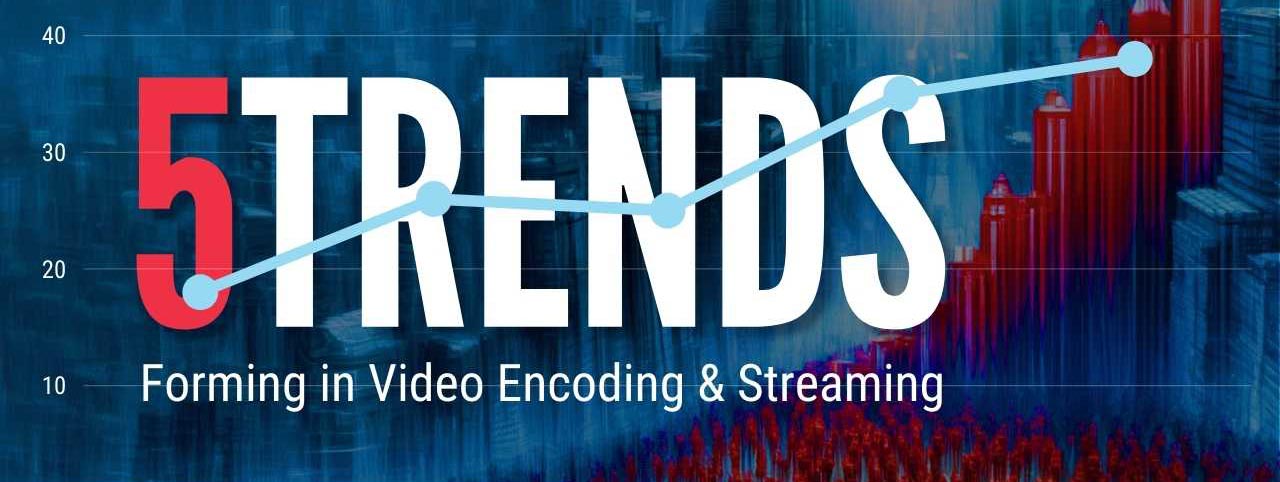
The Top 5 Video Streaming Trends to Watch

 By: Mark Donnigan
Video streaming platforms are witnessing several trends in video encoding and decoding that are shaping how content is delivered and experienced by viewers. Here are the Top 5 that you should watch.
1. Adoption of Advanced Codecs
AV1 delivers better compression rates than its predecessors. Streaming services like Netflix, YouTube, and Meta for Facebook and Instagram have all started implementing AV1 to provide higher-quality video while reducing data usage. AV1 is crucial for mobile streaming, a significant concern for users’ data usage.
The adoption of AV1 and growing interest in the soon-to-be-released AV2 standard underscore a broader industry trend: The efficiency of data delivery is important, ensuring that streaming services can scale more effectively and sustainably across global and diverse market conditions.
2. Hardware Acceleration
Hardware acceleration is important for video processing and encoding due to the computational demands of advanced codecs. Video Processing Units (VPUs) utilizing ASICs are prevalent in the data center to handle higher throughputs of video data with lower power consumption than CPU-based software solutions. The real value lies in the 90% cost reduction with a VPU compared to a CPU-based encoder.
3. Integration of Machine Learning and AI
Integrating artificial intelligence (AI) and machine learning in video streaming services revolutionizes how content is delivered and experienced. These technologies dynamically analyze viewer behavior and environmental variables to adjust video quality and bitrate. AI enhances video quality through advanced upscaling techniques, making lower-resolution content more visually appealing. The integration of OpenAI’s Whisper Automatic Speech Recognition (ASR) model with NETINT Bitstreams Edge media processing software application enables 30 live channels to be ingested, processed for subtitling, transcoded into HLS or DASH ladders, and packaged on a single 1RU server.
4. Low Latency Streaming
Low latency is important in domains that require real-time interaction, such as live sports broadcasts, online gaming, and interactive video experiences like virtual and augmented reality (VR/AR). Platforms like Twitch and YouTube Live strive to offer latency as low as a few seconds to mimic the immediacy of live television. Technological advancements like WebRTC are instrumental in achieving low-latency streams, while LL-HLS and LL-DASH are in the early stages of taking hold.
5. Sustainability in Video Streaming
The video streaming industry is under scrutiny for its environmental impact, leading to a push to adopt more sustainable practices. Companies focus on optimizing data center operations and using advanced cooling technologies and renewable energy sources. There is a movement towards energy-efficient encoding and decoding hardware, with companies like Netflix leading the charge. These practices are crucial for companies to align with global environmental goals and consumer expectations for more eco-friendly operations.
Stakeholders in the industry are striving to meet the increasing demand for better quality video, wider accessibility, and interactive experiences while also being mindful of the environmental impact and operational costs of video streaming. To stay competitive, it is important to embrace the adoption of advanced codecs, integrate hardware acceleration, leverage AI, provide lower latency streams, and focus on sustainability.
This blog is republished with permission from NETINT. To read the full blog, click here.
 About the author: Mark Donnigan is a veteran of the video ecosystem, working with disruptive innovation companies like NETINT to increase video codec standards and streaming video technology adoption. In addition to working at the forefront of building one of the world’s first T-VOD services and driving early HEVC and AV1 adoption, Donnigan contributed actively to the development and growth of the digital locker initiative, Ultraviolet, breaking device-based content walled gardens, allowing consumers to enjoy video on any device, any time, and in any location. As a technologist and ecosystem developer, Donnigan’s work building cloud-deployed and hyper-scale WebRTC, live, metaverse, and cloud gaming applications gives him a unique view of the OTT and video streaming landscape.
LEARN MORE

Disguise and Nikon Bring Immersive Action to CES 2025
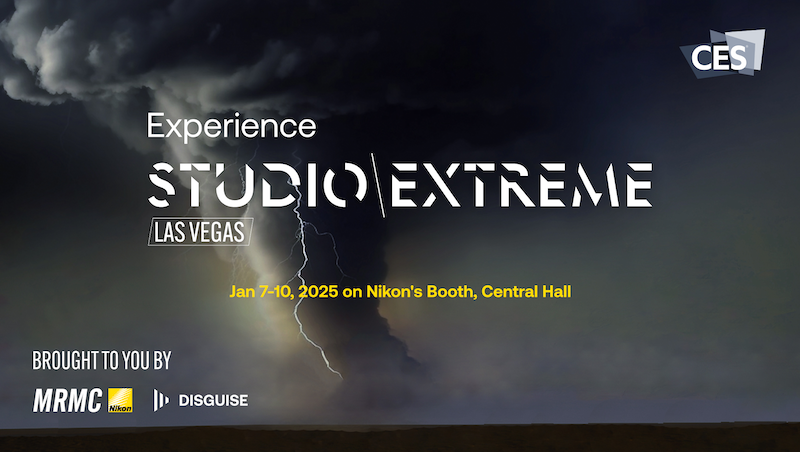
Disguise has partnered with Nikon to unveil a new CES activation that focuses on a can easily create in a turnkey virtual production studio.
Epson Reveals ISE 2025 Plans
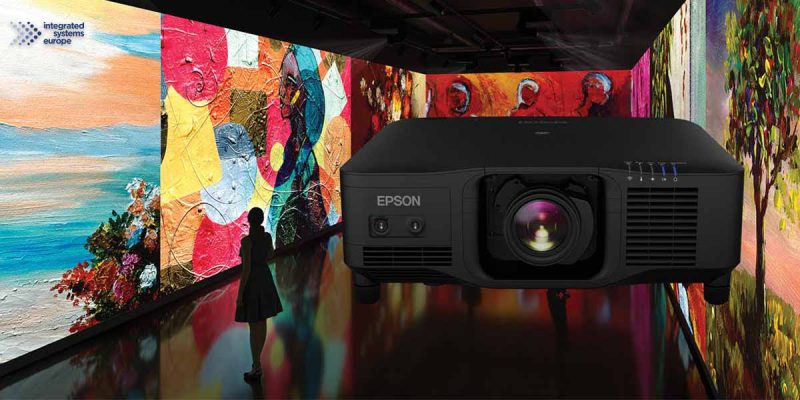
Epson will exhibit at ISE 2025 under the theme “World Digitalization - Inspired by Nature” on Stand J100 in Hall 3.
Check out ISE 2025’s Educational Offerings

ISE 2025 has unveiled its educational offerings and is introducing flexible ticketing options, including the new Content Day Pass.
