


The AI Revolution: 6 Jobs At Risk (and What To Do About It)


According to a recent report by Goldman Sachs there is a risk of 300 million full-time jobs being replaced by artificial intelligence (AI).
Our experts at AI Product Reviews examined the jobs that are most at risk of being replaced or streamlined by the rise of AI; the analyst team looked at the amount of AI tools by category and their potential for job replacement. Below is the list of the most-at-risk jobs and suggestions for people in these careers on how they can adapt.
1. Copywriters
Why They’re at Risk: AI copywriting tools are reshaping content creation, offering speed and precision that is often unmatched by human writers. These algorithms craft tailored content at an unprecedented pace, merging data insights with linguistic artistry.
The Adaptation: Copywriters can adapt to AI’s rise by using AI to turbo-charge their writing process and adding in human creativity. Despite AI’s efficiency, its occasional “hallucinations” or errors highlight the ongoing need for human touch in content strategizing and audience engagement.
2. Customer Service Representatives
Why They’re at Risk: AI-driven chatbots and virtual assistants offer immediate, accurate, and personalized responses. With the capacity to process and analyze vast amounts of data, AI can deliver a level of customer service customization and efficiency that is virtually impossible for human workers to match.
The Adaptation: Dive into tech fields like AI ethics and human-machine interaction design to ensure technology serves humanity effectively and ethically.
3. Data Entry
Why They’re at Risk: The role of data entry is highly repetitive and rule-based. AI algorithms can not only perform these tasks at unprecedented speeds but also eliminate human errors, ensuring higher accuracy and efficiency. The rapid processing capabilities of AI make it a cost-effective alternative for businesses.
The Adaptation: Delve into data science or AI programming to turn raw data into actionable insights for businesses.
4. Retail Workers
Why They’re at Risk: AI is transforming the retail landscape with self-service kiosks and online AI assistants, reducing the need for human personnel. AI systems can manage inventories, process payments, and provide personalized shopping experiences more efficiently, handling large volumes of transactions and interactions that would be overwhelming for human workers.
The Adaptation: Upskilling in e-commerce management, digital marketing, or data analytics can open new career doors.
5. Manufacturing Workers
Why They’re at Risk: Manufacturing jobs—especially those involving repetitive and predictable tasks—are highly susceptible to automation. AI-powered machines can work 24/7, eliminating human errors and increasing productivity. This sector has long been integrating technology into its processes, making it one of the first to witness widespread job replacement.
The Adaptation: Focus on acquiring skills in AI management, monitoring, and maintenance to ensure these automated systems work seamlessly.
6. Drivers in Transportation and Logistics
Why They’re at Risk: Autonomous vehicles, equipped with AI systems, are poised to revolutionize the transportation sector. They promise enhanced safety and operational efficiency, as they’re not susceptible to human errors like fatigue or distractions. They can operate non-stop, optimizing transport and delivery schedules.
The Adaptation: Explore careers in the management, maintenance, and security of autonomous transport systems.
Conclusions on AI and At-Risk Jobs
Just like technology waves of the past, AI will change the jobs that are available and in-demand. Understanding how AI will impact your job will allow you to adapt and even embrace AI.
 About the Author: Peter King is CEO and founder of AI Product Reviews, a global directory for AI tools with over 4,000 listings. King is a 30-year-old entrepreneur with a passion and natural affinity for online businesses. He started his first business venture at the age of 13 buying and selling drums. Since then, King has gone on to start a number of successful online businesses from the age of 18 to the present day. With this wealth of online experience under his belt, King has had multiple successful exits over the last five years. King’s interests now lie within the world of AI. He is keen to see how businesses’ operational procedures change with the help of AI and how AI software evolves over the next 10 years. King believes it is an exciting time in the digital space and that sharp business minds should embrace the change and leverage AI to streamline business processes and make their lives easier.
LEARN MORE

Epson Reveals ISE 2025 Plans
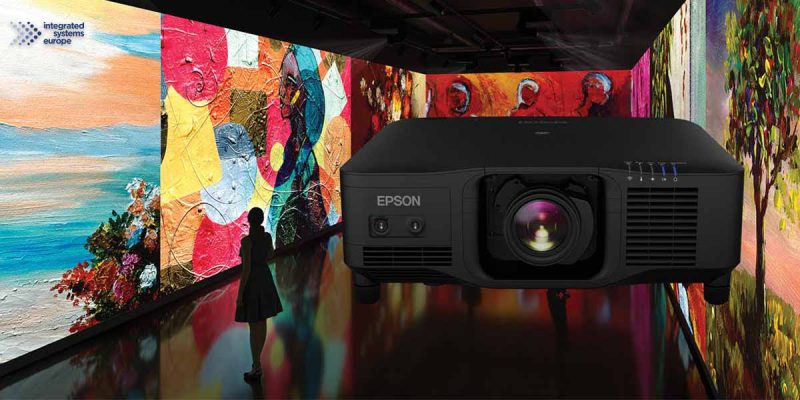
Epson will exhibit at ISE 2025 under the theme “World Digitalization - Inspired by Nature” on Stand J100 in Hall 3.
Check out ISE 2025’s Educational Offerings
ISE 2025 has unveiled its educational offerings and is introducing flexible ticketing options, including the new Content Day Pass.

Top Tech Gifts for 2024
The community gave their input on the top tech gifts for 2024—and who better to make a tech gift guide than the pros who use tech every day?
