


AI Avatar Technology in Banking: Sounds Cool, but What Does That Mean?

On July 17, DeepBrain AI hosted a webinar titled “Smart ATMs: Seamless Banking With AI Avatar Technology.” The session—which featured Nicholas Abram, business development manager, and Michael Jung, CFO and head of global business development—provided an overview of recent developments in AI avatar technology by DeepBrain AI for the banking sector.

The DeepBrain AI webinar began with housekeeping from an avatar created by the company.
The webinar began with an introduction by an AI avatar created by Abram, showcasing realistic gestures designed to enhance user interaction. Abram noted that the avatar was one of over 200 new avatars recently developed by DeepBrain AI for subscribers.
The primary focus of the webinar was on the application of AI avatars in Smart ATMs. Clients using an ATM would be greeted by human-like avatars capable of answering general questions and assisting with tasks such as opening bank accounts or issuing debit cards.
Jung highlighted that the top five banks in Korea have adopted this technology, with Shinhan Bank integrating AI-driven kiosks and ATMs into 500 branches and planning full integration across all branches.
However, I find the necessity of human-like avatars at ATMs debatable. In demos, the avatars did not offer information beyond what could be displayed on a screen. While avatars might add value through their human-like presence, they may be better advertised as an accessibility feature, potentially aiding blind users.
The presenters also detailed DeepBrain AI’s “Interactive Conversational Solution” that they say aims to improve customer service by providing a realistic, conversational AI experience. However, the demo shown during the webinar revealed a small but noticeable lag in interaction between the client and the AI avatar. The presenters went on to explain that this solution is compatible with various platforms, including P.C., mobile and kiosks, and allows users to interact via typing or speaking to the avatar.

DeepBrain AI’s technology has the ability to convert documents into videos.
A more compelling feature, in my opinion, is DeepBrain AI’s ability to convert documents into videos. Jung and Abram demonstrated how this tool could make complex or tedious bank documents more engaging for clients. Users can customize these automatically generated videos by editing the script, adding background music, and selecting different avatars.
From a client perspective, the document-to-video capability appears more useful than the Smart ATMs with its potential to synthesize and explain lengthy or tedious documents quickly. While Smart ATMs and kiosks might help businesses cut labor costs, they could frustrate users who already know what they’re doing or prove insufficient for those who don’t.
Despite its promise, the document-to-video avatar retains the slow cadence typical of artificial intelligence that undermines the idea that watching a video explanation is more engaging than reading. Another potential limitation is whether users can rewind these videos. However, I commend the interface, which appears user-friendly and the AI voice that truly is impressively realistic.
Looking ahead, Jung suggested that AI avatar technology could soon be adopted in the U.S., though the timeline remains uncertain. DeepBrain AI is confident that this technology has the potential to enhance customer service by making banking processes more accessible and efficient.
LEARN MORE

Check out ISE 2025’s Educational Offerings
ISE 2025 has unveiled its educational offerings and is introducing flexible ticketing options, including the new Content Day Pass.

Top Tech Gifts for 2024

The community gave their input on the top tech gifts for 2024—and who better to make a tech gift guide than the pros who use tech every day?
Insta360 Launches New Dual-4K Camera AI Video Bar
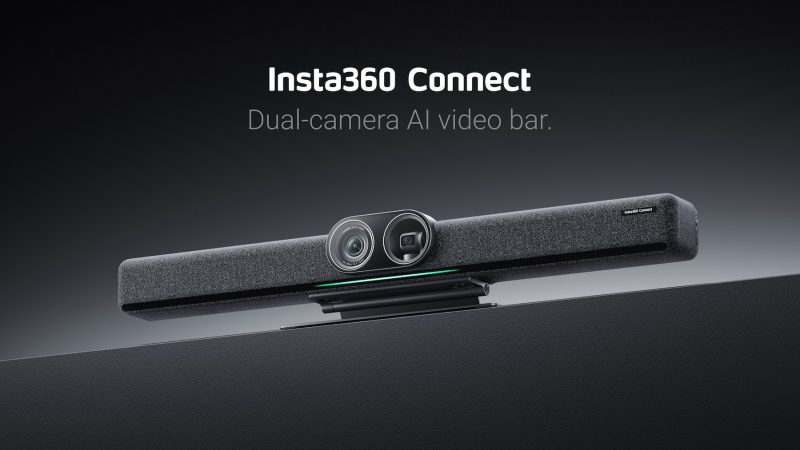
Insta360 has launched Insta360 Connect, a dual-4K camera AI video bar the company believes will "revolutionize video conferencing."
